

The music between the notes
Coming together
In the middle of 2026, as conversations around artificial intelligence continue to raise questions about how music is created, and how it can create in seconds what many spend years learning and perfecting, a group of songwriters, artists, producers, and composers met at Pennard House, near Glastonbury, to connect in-person, share experience and find the music between the notes.
For one week in June, the centuries-old country manor in the English countryside welcomed the BMI x Chris Difford Composer + Songwriter Retreat, an event hosted by Grammy-nominated, double Ivor Novello Award-winning lyricist and Squeeze co-founder Chris Difford and BMI's Vice President of Creative, Film, TV & Visual Media, Tracy McKnight. The retreat reflects BMI's ongoing commitment to fostering creative collaboration across genres and disciplines, creating space for artists at different stages of their careers to build meaningful relationships and develop new work.
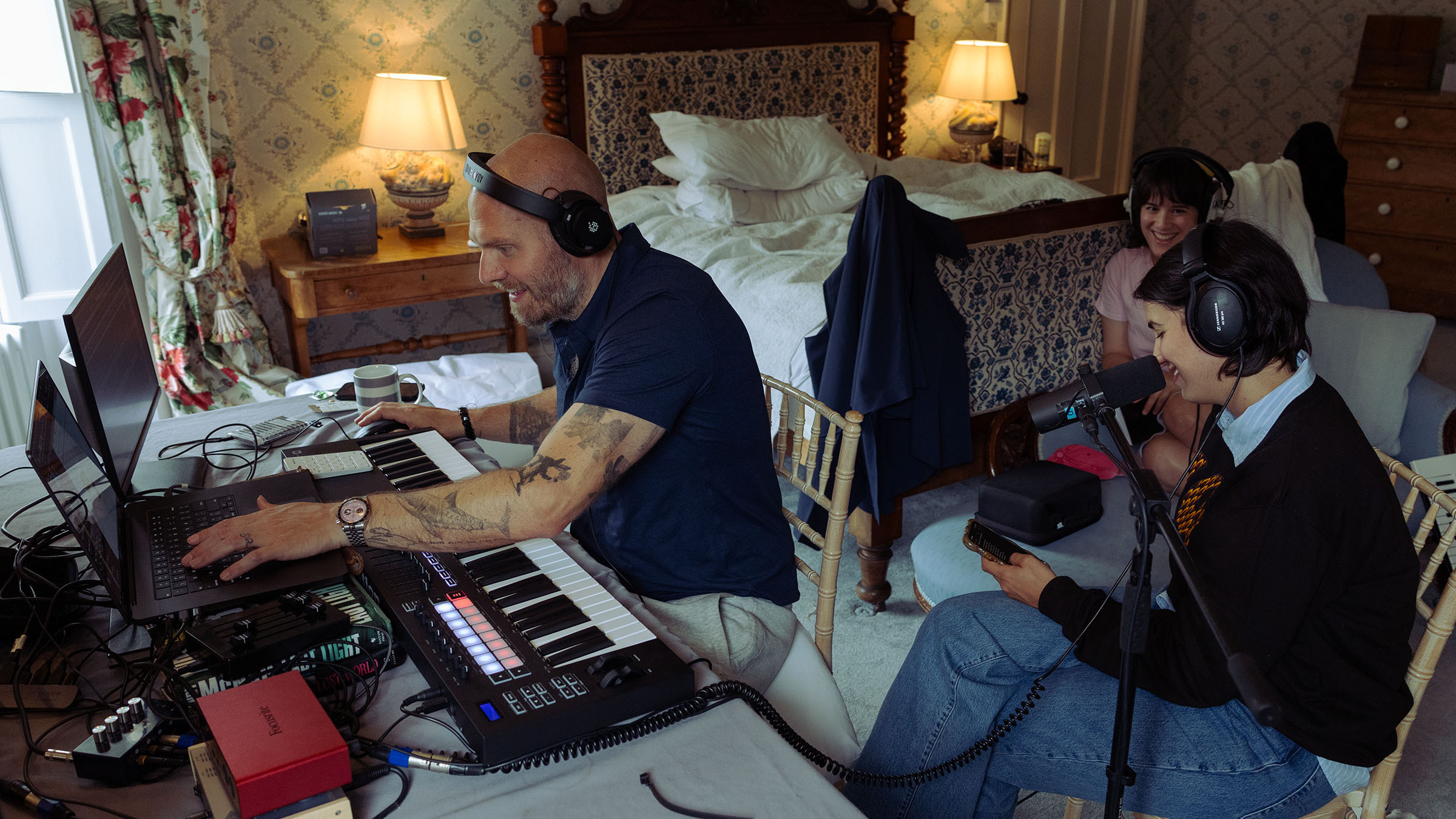
BMI invited a diverse group of songwriters, artists, producers, and composers to participate, including Grammy Award-winning vocalist and BMI writer Steve Smith, Dominic Lewis, Jade Bird, Victoria Canal, Shridhar Solanki, Frances Madden, Charlie Dempsey, Levi Evans, Rachel Ruggles and Gracie Coates of Gracie and Rachel, UV Killen 'Em (Yuval Chain), and others. What the retreat ultimately revealed was that the most meaningful thing created that week wasn't simply the songs, but the relationships that made them possible.
So why spend a week in an old house in Somerset creating music together?
Steve Smith put it simply: “The peacefulness and feeling of inspiration that surrounds Pennard House really does have a sort of magic effect on the creative process during the retreat.”
Ask anyone who was there what actually happened that week, though, and the answer always comes back to the people in the room.
Always about people
For many, those few days marked the beginning of, in Jade Bird's words, "collaborations and friendships that will last decades.”
"Being in a house full of musicians, hearing songs coming literally through the walls, running into someone in the kitchen and continuing a conversation from the session, listening back together at night," says Gracie Coates of Brooklyn duo Gracie and Rachel. "All of that becomes part of the creative process. It's not just the hours in the writing room. It's the whole atmosphere around it."
The retreat was structured so that a new three-person group of artists was formed each morning, which kept everyone in a state of anticipation about what the day would bring. “The annual retreat is always full of an exciting and eclectic mix of artists, songwriters and composers from a very varied range,” says Steve Smith — a mix that meant the conversations continued throughout the day’s writing sessions, and through lunch and into dinner.
In the writing rooms, the format demanded full attention. "Someone throws out an idea, someone else takes it somewhere unexpected and before you know it you're creating something none of you would have come up with on your own,” says Shridhar Solanki.
That productive spontaneity was, for many, the point. Jade Bird, whose music spans folk, rock, and Americana, drew from David Bowie in the idea that the right creative place is the one where “your feet aren't quite touching the bottom.” The creative discomfort delivered something unexpected. "I was surprised at just how deep the bond felt between everyone at the end," she says, "like we'd been on an emotional, physical, and profound journey together."
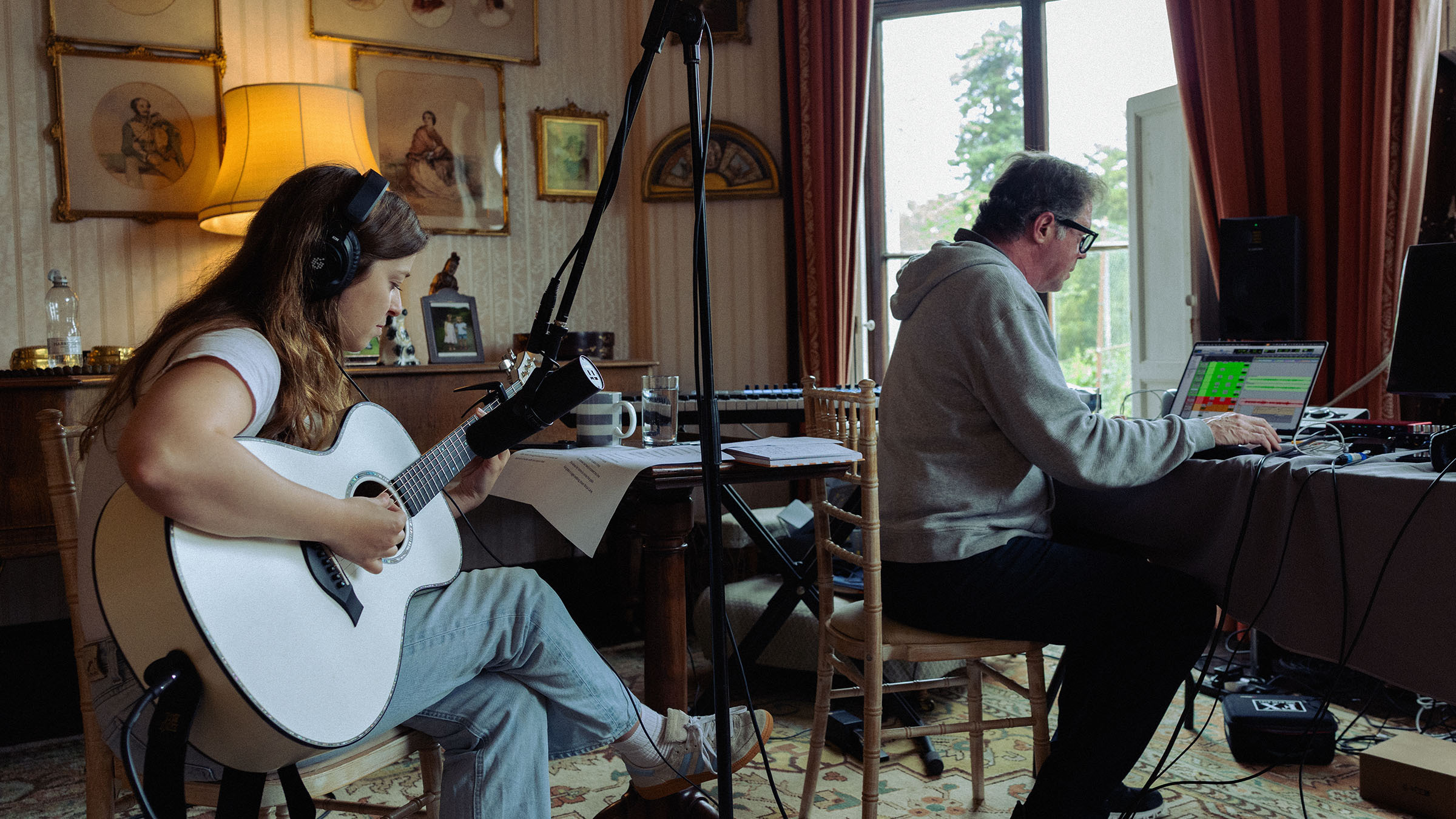
Trust formed across collaborations that would have seemed unlikely from the outside. Rachel Ruggles of Gracie and Rachel, a classical violinist and indie rock songwriter, found herself paired with hip-hop producer UV Killen ‘em (Yuval Chain). "We talked for a long time before making any noise — about music we like, what makes us happy, our families," she says. "At the end of the day we not only had a ton of fun writing a song, but the blending of backgrounds and interpretations yielded something I'm quite excited about."
Not every spark came from a conversation. Victoria Canal recalls how the magical atmosphere of Pennard House inspired a late-night encounter in the garden that ultimately evolved into a song both profound and catchy. Whether folklore or imagination, the story quickly became part of the retreat's creative fabric, illustrating how inspiration seemed to find its way into every corner of the estate.
The most direct statement of what these intimate collaborations produced came from UK-based songwriter and producer, Charlie Dempsey:
"The excitement that comes from coming up with ideas as a group, ideas that only exist because you had a certain conversation or were in a certain room at a certain moment, can't be replicated by anything artificial."
Technology as enabler
That’s where the gear comes in, not as the focus of the story, but as the foundation supporting it that that can often seem invisible.
"Melodic information is so easily forgotten. I can sing a line and a second later it's gone," says Jade Bird, explaining the temporary, almost fragile, nature of creative moments. This idea — that the less attention technology demanded, the more writers could stay completely immersed in the moment, preserving ideas before they vanished — returned in conversations again and again.
Rachel Ruggles thinks of the recording setup as "simply a witness to capturing the magic, often when one least expects it. Letting it roll and ideally even forgetting about it is my goal."
Gracie Coates drew the same conclusion from the other direction:
"Ideas can be so fleeting when they arrive. If the setup is cumbersome or you have to stop and troubleshoot something, you can easily lose the thread."
The value of technology wasn't measured in specifications or features, but in how completely it disappeared from conscious thought.
This was reflected in every writing room at the retreat, each equipped with Scarlett and ISA C8X audio interfaces from Focusrite, monitoring from ADAM Audio, and MIDI keyboards and synthesisers from Novation and Sequential.
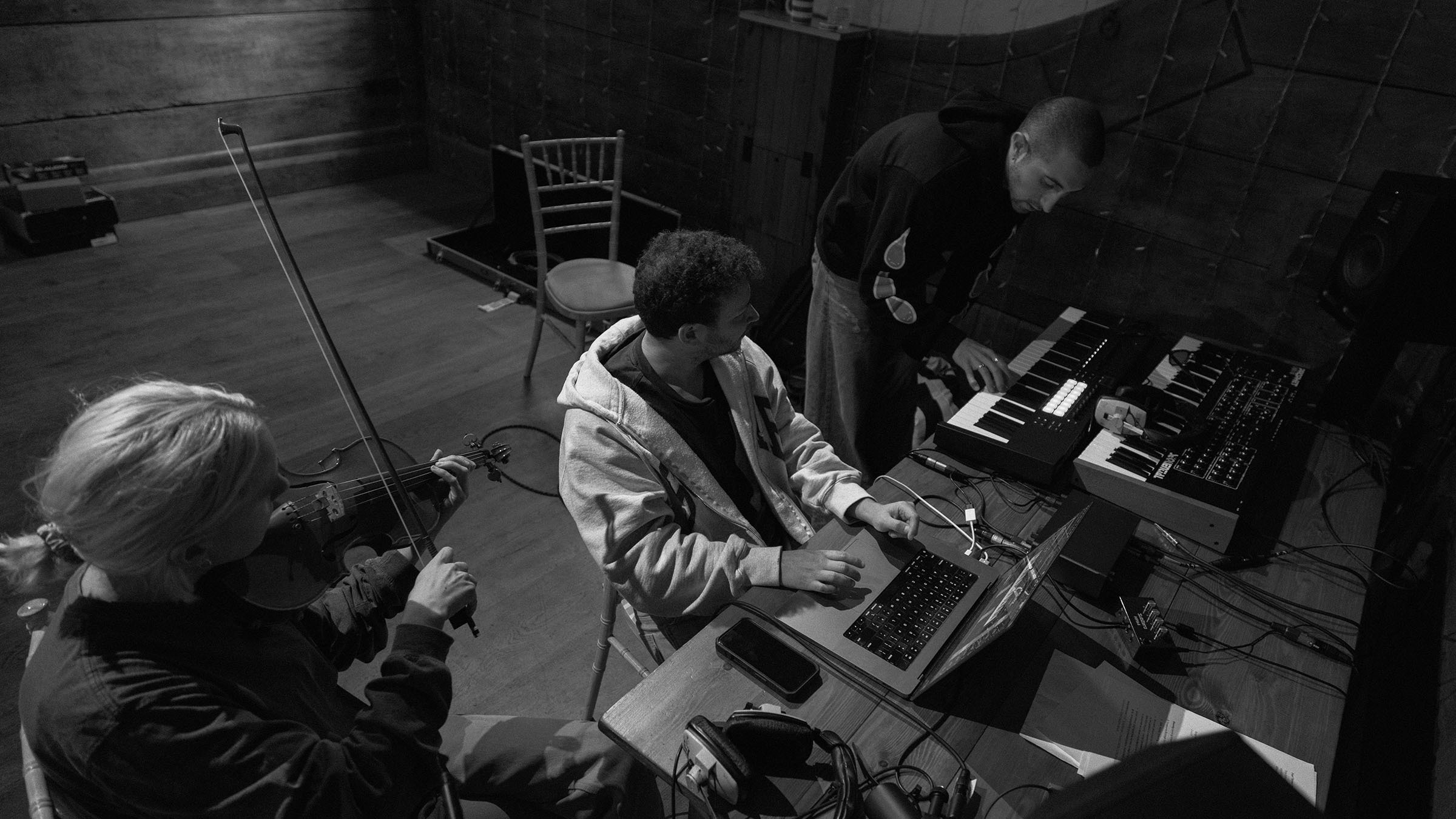
There was a reason why.
"Consistency is great for me when working in fast paced writing rooms such as the ones we had on the retreat," says Charlie Dempsey. "Knowing where everything is and having a setup you trust means you can focus entirely on the music and getting ideas down rather than the technology."
Multi-platinum producer UV’s experience is a firsthand example, a small synth that had been left out in a room accidentally ended up becoming the foundation of an entire track.
Being able to depend on your gear matters more than you might think.
Charlie Dempsey was clear about how critical it is: "Reliability is essential, because one of the last things you want is unreliable tech getting in the way of a great idea."
Steve Smith added another point about professional gear being essential to a professional result: "The equipment from the Focusrite team has been so valuable in the ability to have songs ready to pitch for TV, film, and labels."
We will always need each other
As the retreat drew to a close, participants reflected on the future of songwriting, particularly in an age of artificial intelligence. Their answers varied, but their reflections ultimately converged in the same place.
None of them dismissed the technology or where it is heading. What they shared was a quieter, more considered conviction that what happened in Somerset was something no algorithm could replicate.
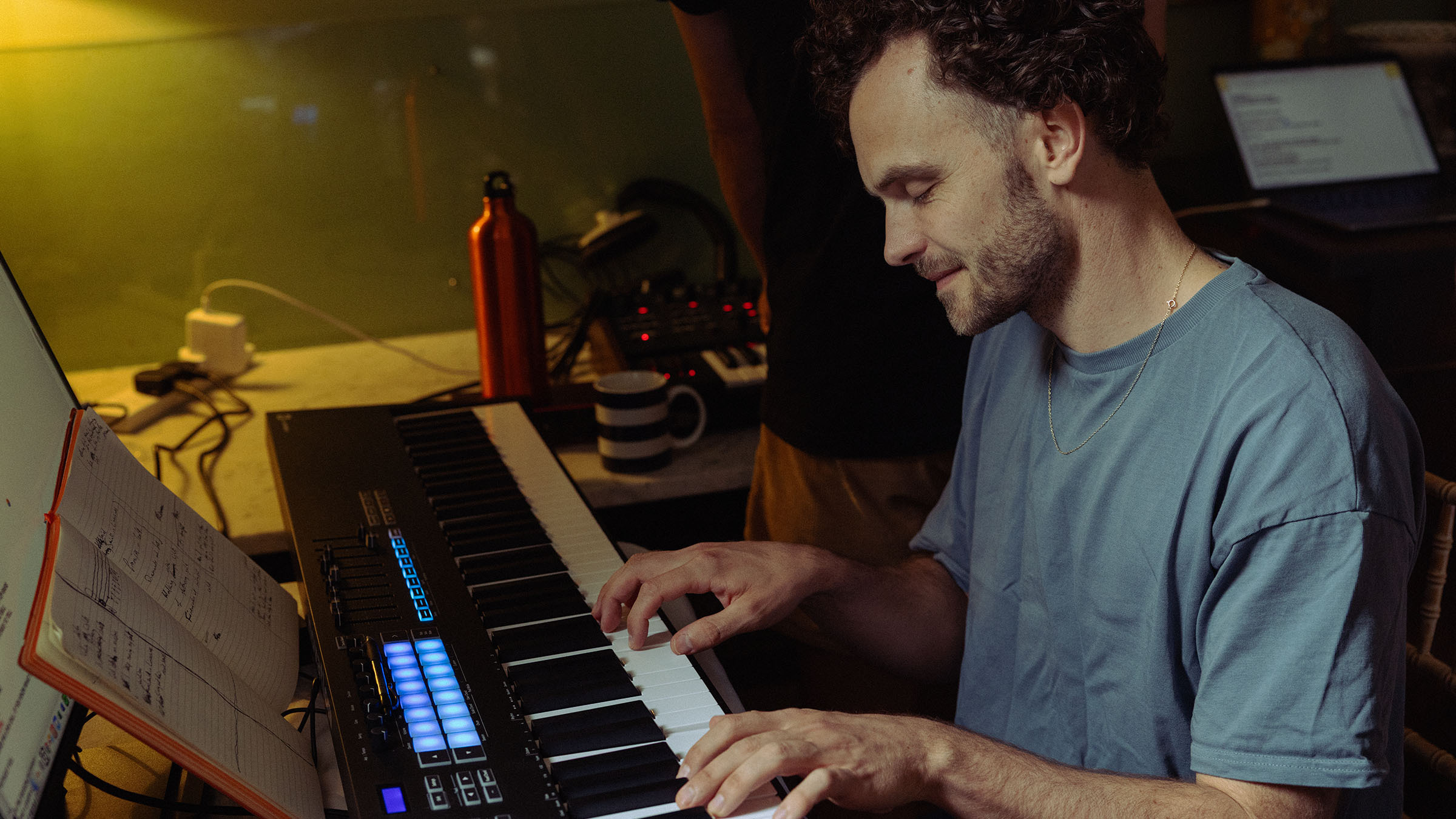
"Yes, AI can generate something that sounds like a song," Rachel Ruggles says. "What it can't do is sit in a room and feel nervous about sharing an unfinished idea, then watch a stranger build on it in a way that surprises you both. It can't have the years of grief or joy that make a specific lyric necessary to write."
Levi Evans, an Irish-born LA-based artist, framed the question in terms of artistic craft, and of what happens before the songwriting even starts:
"A true artist must first leave their mark by doing the hard work before reverting to technology that doesn't merely enhance the song but completely replaces the human within it."
Emmy Award-winning songwriter / composer Shridhar Solanki, whose credits span Disney and Netflix, found the words that seemed to express what everyone said in their own way: "Technology should always support creativity, not drive it. The ideas, the emotion, and the human connection still come first."
What the retreat offered was something that can’t be scheduled or prompted: the conditions for genuine connection.
As Steve Smith reflected: “The connection and friendship from having everyone in one peaceful and inspiring place, that feeling resonates through into the music for a truly special experience.”
Technology played its part quietly in the background, but the music that emerged came from the people in the room.
Rachel Ruggles perhaps spoke most philosophically about what conversations surrounding the use of AI in songwriting seem to treat as an afterthought: "The connection that we experience in songwriting and music listening is the product. A song is just the evidence it happened."
Perhaps that's the real lesson from Pennard House.
The future of music won't be decided by choosing between people and technology, but by remembering what each is for. The best tools disappear into the background, allowing ideas to flow uninterrupted. The best songs, meanwhile, still emerge from something technology can't manufacture; curiosity, vulnerability, trust, and the unpredictable chemistry of people creating together.
Long after the week's demos are finished, those conversations, and the relationships they created, may prove to be its most enduring work.